Which of the Following Is Part of a Rifle and Pistol Cartridge? Explained
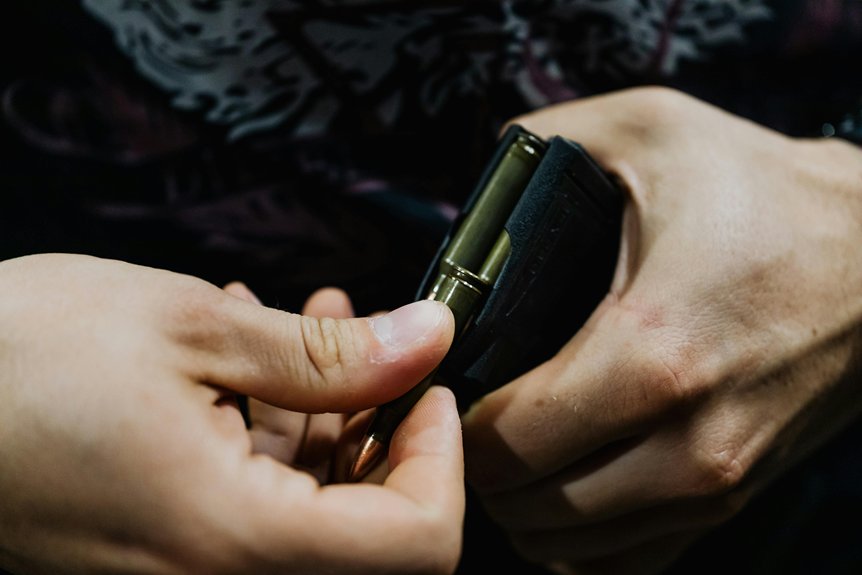
When you think about a rifle or pistol cartridge, it’s easy to overlook the individual components that make it function. Each part plays a critical role, from the cartridge case to the bullet itself. Understanding these elements can enhance your knowledge of firearm mechanics and performance. But what exactly are these components, and how do they interact with each other? Let’s break it down to see what really makes a cartridge tick.
The Cartridge Case
The cartridge case serves as the backbone of any rifle or pistol cartridge, providing a sturdy container for the components inside. You’ll notice that it’s typically made from brass, steel, or aluminum, each material offering unique benefits.
The case holds the bullet, powder, and primer securely, ensuring everything functions properly when fired. It also helps contain the high pressures generated during ignition, making it crucial for safety and performance.
When you inspect a cartridge, you’ll see that the case’s length and diameter vary, affecting the overall caliber and performance of the firearm. Additionally, the design can influence extraction and ejection.
Understanding the cartridge case’s role enhances your appreciation of ammunition and its importance in shooting sports.
The Primer
After the cartridge case, the primer plays a vital role in the ignition process. This small but crucial component sits at the base of the cartridge and contains a sensitive explosive compound.
When you pull the trigger, the firing pin strikes the primer, creating a small explosion. This explosion generates enough heat and pressure to ignite the propellant in the cartridge.
Primers come in two types: Boxer and Berdan. Boxer primers are common in the U.S. and have a single flash hole, while Berdan primers are typically found in foreign ammunition and have two holes.
Understanding the primer’s function helps you appreciate its importance in ensuring your firearm operates correctly and reliably.
The Propellant
Propellant serves as the engine that drives a bullet down the barrel of a firearm. When the primer ignites, it sets off a chemical reaction in the propellant, creating high-pressure gas. This gas rapidly expands, pushing the bullet forward at high speeds.
Different types of propellants, like smokeless powder, offer various burn rates and energy outputs, affecting the bullet’s velocity and performance. You’ll find that the choice of propellant is crucial; it influences accuracy, recoil, and overall effectiveness.
Understanding how propellant works helps you appreciate its role in shooting dynamics. Whether you’re reloading or selecting ammunition, consider the propellant type for optimal results in your shooting experience.
The Bullet
A bullet acts as the final piece in the cartridge puzzle, transforming chemical energy from the propellant into kinetic energy.
When you pull the trigger, the firing pin strikes the primer, igniting the propellant. This creates gas that pushes the bullet down the barrel at high speed.
Bullets come in various shapes and weights, each designed for specific purposes, like hunting or target shooting.
You’ll notice that a bullet’s construction can include lead, copper, or other materials, impacting its performance and accuracy.
Understanding the bullet’s role helps you appreciate its importance in shooting sports and self-defense. It’s not just a piece of metal; it’s engineered for precision and effectiveness when it leaves the barrel.
The Rim
The rim of a cartridge plays a crucial role in ensuring reliable firearm operation. It’s the part that extends beyond the case body, providing a surface for the extractor to grip during ejection.
When you fire your weapon, the expanding gases push the bullet out, and the rim helps the empty casing eject smoothly. This process is essential for maintaining the rhythm of shooting, especially in semi-automatic or automatic firearms.
Different cartridges feature various rim styles, like rimfire and centerfire designs, each serving specific purposes. Understanding the rim’s function will help you appreciate the engineering behind your ammunition and its performance in your firearm.
Proper care and inspection of the rim can prevent malfunctions and enhance your shooting experience.
The Headstamp
Headstamps are the small but essential markings found on the base of a cartridge, providing key information about the ammunition. When you look closely, you’ll see details like the manufacturer’s name, the caliber, and sometimes the year of production.
These markings help you identify the cartridge type and ensure compatibility with your firearm. If you’re collecting or reloading, understanding headstamps is crucial for safety and performance.
You can also spot variations in headstamps that indicate different production runs or special editions. By paying attention to these markings, you can enhance your ammunition knowledge, making informed choices for your shooting needs.
Always check the headstamp to avoid mix-ups and ensure that you’re using the right ammunition for your firearm.
The Neck
Cartridge necks play a vital role in the overall performance of ammunition. They’re the tapered section of the cartridge case that holds the bullet in place. When you load a cartridge, the neck ensures a snug fit, preventing the bullet from moving during handling or firing.
This stability is crucial for accuracy, as any movement can affect your shot placement. The neck also helps create a proper seal when the cartridge is fired, containing the pressure generated by the burning gunpowder.
A well-designed neck contributes to optimal ballistic performance, allowing for consistent velocities and trajectories. Understanding its function can help you choose the right ammunition for your specific needs, ensuring you get the best out of your rifle or pistol.
The Shoulder
Shoulder geometry is crucial in determining how well a cartridge chambers and aligns with the rifle or pistol’s chamber.
You’ll notice that the shoulder connects the neck to the body of the cartridge, creating a point where the cartridge’s dimensions change. This transition helps ensure proper alignment during chambering, which directly affects accuracy and reliability.
If the shoulder is too steep or too shallow, it can lead to feeding issues or misfires. Understanding the shoulder’s role also helps you choose the right cartridge for your firearm, as different calibers have varying shoulder angles and positions.
The Crimp
Crimping is a vital process in ammunition reloading that affects the overall performance and reliability of a cartridge. When you crimp, you’re ensuring the bullet stays securely in place within the case, preventing any movement during recoil or handling.
A proper crimp can enhance accuracy by stabilizing the bullet as it travels down the barrel. You have to choose the right type of crimp for your load—whether it’s a roll crimp for revolver cartridges or a taper crimp for semi-autos.
Too tight a crimp can lead to excessive pressure, while too loose can cause bullet setback. Experimenting with crimping techniques will help you find the balance that suits your shooting style and enhances your ammunition’s performance.
Conclusion
In conclusion, understanding the components of a rifle and pistol cartridge gives you insight into how firearms function. From the cartridge case that holds everything together to the primer that ignites the propellant, each part plays a crucial role in performance. The bullet’s design affects accuracy, while elements like the rim, headstamp, neck, shoulder, and crimp contribute to the cartridge’s overall integrity. By grasping these details, you can appreciate the engineering behind ammunition and its impact on shooting experiences.
Tactical Equipment Armory

Tactical Gear Armory is a group of tactical gear geeks! We specialize in everything from martial arts to AR-15's and other firearms.