If I Have a Concealed Carry Permit
If you have a concealed carry permit, you hold both a privilege and a significant responsibility. It’s essential to understand your state’s laws to navigate the complexities of firearm ownership. Proper training enhances your skills and confidence, but there’s more to it than just knowing how to handle a weapon. Your mindset and ethical considerations play a key role in how you carry. So, how do you guarantee you’re prepared for every situation that may arise?
Understanding State Laws and Regulations
When you decide to carry a concealed weapon, understanding state laws and regulations becomes essential. Each state has its own rules regarding permits, where you can carry, and how you must store your weapon.
You’ll want to familiarize yourself with your state’s application process, eligibility requirements, and renewal procedures. Some states require background checks or training courses, while others may have more relaxed standards.
Additionally, be aware of “no-carry” zones, such as schools and government buildings, where you can’t carry your weapon, even with a permit. Ignoring these laws can lead to serious legal consequences.
Staying informed and compliant not only protects you legally but also enhances your confidence as a responsible concealed carry permit holder.
The Importance of Proper Training
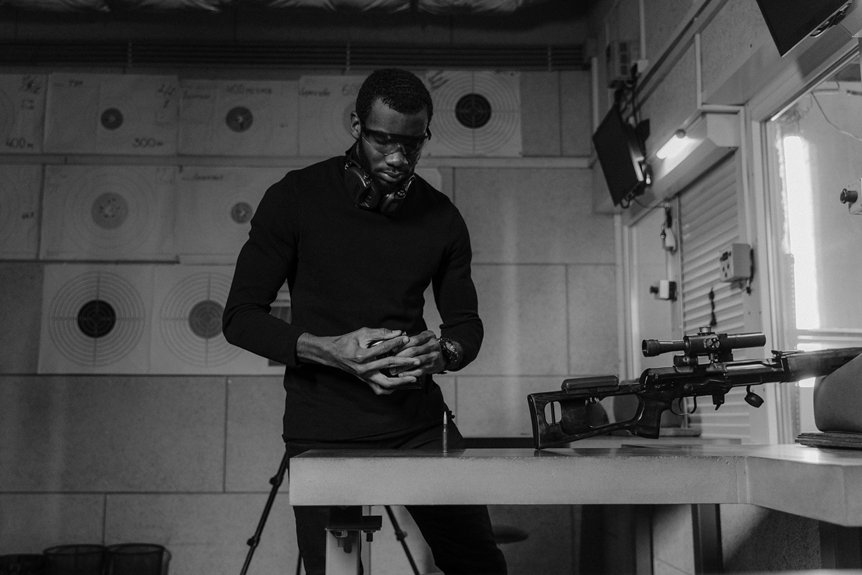
Proper training is essential for anyone with a concealed carry permit, as it not only enhances your skills but also builds your confidence in handling a firearm.
By investing time in training, you’ll learn proper grip, stance, and aiming techniques, which are vital for accuracy. You’ll also become familiar with your firearm’s mechanics, ensuring that you can operate it safely and effectively.
Training helps you recognize various scenarios, equipping you to make quick, informed decisions under pressure. Additionally, practicing regularly keeps your skills sharp and prepares you for any situation you might face.
Remember, being well-trained isn’t just about knowing how to shoot; it’s about becoming a responsible and proficient gun owner.
Mindset and Responsibility of Carrying
Carrying a concealed firearm requires a serious mindset and a deep sense of responsibility. You’re not just carrying a tool; you’re shouldering the weight of protecting yourself and potentially others.
It’s vital to understand that your actions can have significant consequences. Every decision you make while armed should prioritize safety and legality. Embrace a proactive attitude—prepare yourself mentally for the role you’re taking on.
This involves continuous learning and self-reflection to guarantee you’re always ready to act responsibly. Remember, carrying a firearm isn’t about power; it’s about accountability.
The moment you strap on that holster, you’re committing to a lifestyle of vigilance, respect, and a dedication to the safety of your community. Stay sharp and informed!
Situational Awareness and Safety Practices
How can you stay alert and prepared in a world full of unpredictable situations? It starts with situational awareness. Keep your head up and scan your surroundings regularly. Notice exits, potential threats, and people’s behavior. Trust your instincts; if something feels off, it probably is.
Practice safety habits like avoiding distractions, especially your phone, when you’re out. Establish a safety plan for various scenarios, whether it’s a crowded event or a quiet street.
If you carry, guarantee your firearm is secure and accessible, but never visible. Regularly train and practice your shooting skills, as well as situational tactics.
Ethical Considerations of Concealed Carry
While the right to carry a concealed weapon offers individuals a sense of security, it also raises important ethical considerations that shouldn’t be overlooked.
You must consider the responsibility that comes with bearing arms. Are you prepared to use your weapon only in life-threatening situations?
Think about the potential consequences of your actions—how might they affect innocent bystanders?
Consider the impact on your community, too. Carrying a concealed weapon isn’t just about personal safety; it’s about ensuring you’re a responsible, informed member of society.
Engaging in open conversations about gun safety and responsible ownership can foster trust and understanding.
Ultimately, it’s essential to weigh your right to carry against the broader implications for yourself and others around you.
Tactical Equipment Armory

Tactical Gear Armory is a group of tactical gear geeks! We specialize in everything from martial arts to AR-15's and other firearms.