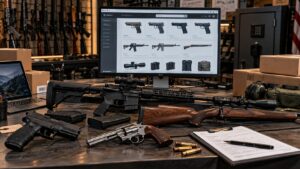
What Is Concealed Carry?
Concealed carry involves legally carrying a hidden firearm in public, allowing you to enhance your personal safety. It’s not just about owning a gun; it requires understanding specific laws, proper firearm handling, and effective concealment techniques. Each state has its own regulations, which can be complex. Are you aware of the responsibilities and training required to safely navigate this practice? The implications of concealed carry extend far beyond the individual.
Understanding Concealed Carry
Understanding concealed carry involves more than just knowing how to carry a firearm; it requires a grasp of the legal and practical implications of doing so.
You need to familiarize yourself with the types of firearms suitable for concealed carry and how to properly secure them.
Concealment methods vary, from holsters to clothing choices, guaranteeing your firearm remains discreet yet accessible.
Comfort and safety are paramount; practice drawing your weapon in a controlled environment.
Regular training is essential, as it enhances your proficiency and confidence.
Additionally, consider situational awareness—being alert to your surroundings can help you make informed decisions.
Ultimately, concealed carry is a responsibility that demands respect, practice, and continuous education to guarantee safety for you and those around you.
Legal Framework and Requirements
Before you can carry a concealed firearm, it’s essential to navigate the legal framework that governs such practices. Each state has its own laws regarding concealed carry, so you’ll need to familiarize yourself with your local regulations.
Typically, you must obtain a concealed carry permit, which often requires a background check, fingerprinting, and completion of a training course. Some states allow “constitutional carry,” meaning no permit is necessary.
Be aware of specific restrictions, such as age limits, prohibited locations, and firearm types. Violating these laws can lead to severe penalties, including fines or imprisonment.
Always stay updated on any changes to the legislation to guarantee you remain compliant while exercising your right to carry concealed.
Benefits of Concealed Carry
While discussing the advantages of concealed carry, it’s crucial to recognize that it can enhance personal safety and provide a sense of security. By carrying a concealed weapon, you’re often better prepared to defend yourself and others in dangerous situations.
This preparedness can deter potential threats, as criminals may think twice before targeting someone who appears armed. Additionally, concealed carry allows you to maintain personal freedom and autonomy, empowering you to protect yourself without relying solely on law enforcement.
Moreover, the training you undergo to obtain a permit helps you develop critical skills in firearm handling, situational awareness, and conflict resolution. Overall, concealed carry can foster a greater sense of confidence in your ability to navigate potentially hazardous environments.
Responsibilities of Concealed Carry Permit Holders
As you embrace the responsibility of being a concealed carry permit holder, it’s essential to recognize that carrying a firearm comes with significant obligations.
First, you must understand and comply with local laws regarding where and how you can carry. This includes knowing the legal limits of use and the circumstances under which you can draw your weapon.
Additionally, maintaining your firearm in good working condition is vital; regular inspections and cleaning are part of responsible ownership.
You also need to be aware of the moral implications of using your firearm. Your decisions in high-stress situations can have lasting consequences, so always prioritize de-escalation and seek non-lethal alternatives when possible.
Being a responsible permit holder means being prepared for any situation.
Training and Education for Concealed Carry
Training and education are crucial for anyone who chooses to carry a concealed weapon, making sure you’re not only familiar with your firearm but also equipped to handle various situations effectively.
A thorough training program will cover critical areas such as firearm safety, marksmanship, and decision-making under pressure. You’ll learn how to safely draw your weapon, maintain situational awareness, and properly store your firearm.
It’s also important to understand threat assessment and de-escalation techniques. Many training courses incorporate live-fire exercises, allowing you to practice your skills in realistic scenarios.
Regular training refreshers can help you stay sharp and adapt to new techniques or regulations. Ultimately, investing in quality education guarantees you’re prepared and confident when carrying your concealed weapon.
State-Specific Laws and Regulations
Understanding state-specific laws and regulations is essential for anyone considering concealed carry. Each state has its own requirements regarding permits, eligibility, and restrictions.
You’ll need to research the laws in your state, as some may require a background check, training courses, or a waiting period. Additionally, certain states recognize permits from other states, while others do not.
Pay close attention to where you can legally carry; some places, like schools or government buildings, may be off-limits.
It’s also important to know the consequences of carrying without a permit or violating local laws. Staying informed will guarantee you navigate the complexities of concealed carry legally and responsibly, allowing you to exercise your rights safely.
Public Perception and Debates Surrounding Concealed Carry
How do people really feel about concealed carry? Opinions vary widely.
Supporters argue it enhances personal safety and deters crime, believing that responsible citizens should have the right to defend themselves. They often cite studies suggesting that states with permissive concealed carry laws experience lower crime rates.
On the other hand, critics raise concerns about increased risks of gun violence and accidents. They worry that more firearms in public spaces could lead to dangerous confrontations.
Public perception is also shaped by media coverage and high-profile incidents, which can skew opinions.
Ultimately, the debate continues, with advocates on both sides passionately defending their positions, reflecting broader societal issues regarding guns and personal freedom.
Tactical Equipment Armory

Tactical Gear Armory is a group of tactical gear geeks! We specialize in everything from martial arts to AR-15's and other firearms.