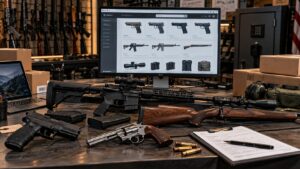
What Is a CCW Permit?
A CCW permit, or Concealed Carry Weapon permit, lets you carry a concealed firearm in public. Understanding the requirements and processes for acquiring this permit is essential, as each state has its own laws. You’ll need to meet specific eligibility criteria, complete training, and navigate an application process. Knowing what’s required can help you make informed decisions about personal safety and responsible firearm ownership. But what steps do you need to take to get started?
Understanding the Basics of a CCW Permit
When you’re considering applying for a concealed carry weapon (CCW) permit, it’s important to understand the fundamental aspects involved. A CCW permit allows you to legally carry a concealed firearm in public, enhancing your personal safety and self-defense options.
Each state has its own laws governing the issuance of CCW permits, including application processes, fees, and training requirements. You’ll typically need to submit an application, undergo a background check, and complete a firearms training course.
It’s necessary to familiarize yourself with your state’s specific regulations, as they can vary widely. Additionally, understanding the responsibilities that come with carrying a concealed weapon is critical, as improper use or handling can lead to serious legal consequences.
Stay informed and prepared.
Eligibility Requirements for Obtaining a CCW Permit
To qualify for a CCW permit, you must meet several specific eligibility requirements that vary by state. Generally, you need to be at least 21 years old and a legal resident of the state where you’re applying.
Some states require you to complete a firearms training course, while others may ask for proof of good moral character. You can’t have a felony conviction or a history of mental illness, which could disqualify you.
Additionally, some states check your criminal history and may require references. It’s essential to review your state’s specific laws and regulations to guarantee you meet all criteria before applying.
Always stay informed, as laws can change.
The Application Process for a CCW Permit
Steering through the application process for a CCW permit can seem intimidating, but understanding the steps involved can simplify it.
First, you’ll need to gather required documents, such as proof of residency and identification. Next, complete the application form provided by your local law enforcement agency or state authority.
Don’t forget to pay the associated fees, which can vary by location. After submitting your application, you may undergo a background check to verify you meet eligibility criteria.
Be prepared for an interview or hearing, as some jurisdictions require this step. Finally, once approved, you’ll receive your permit, allowing you to legally carry a concealed weapon.
Make sure to stay informed about any renewal requirements as well.
Training and Education Requirements
After you’ve navigated the application process for your CCW permit, you’ll need to focus on the training and education requirements that accompany it. Most states mandate you complete a firearms training course, which typically covers topics like firearm safety, handling, and marksmanship. This course may be offered by certified instructors or licensed organizations.
You’ll also need to demonstrate proficiency in shooting, often through a practical evaluation. In addition to firearms training, some states require training in the legal aspects of carrying a concealed weapon, including self-defense laws.
It’s vital to check your state’s specific requirements, as they can vary considerably. Completing these training and education requirements not only guarantees compliance but also prepares you to carry responsibly and safely.
Laws and Regulations Governing CCW Permits
Understanding the laws and regulations governing CCW permits is essential for anyone looking to carry a concealed weapon. Each state has its own set of laws, so it’s vital to familiarize yourself with your local requirements.
Most states require you to apply for a permit and undergo a background check. You may also need to complete a specific training course that covers firearm safety and handling.
Additionally, some states impose restrictions on where you can carry your concealed weapon, such as schools or government buildings. Always stay updated on any changes in legislation, as laws can evolve.
Ignoring these regulations can lead to severe penalties, including fines or loss of your permit. Knowledge is key to responsible CCW ownership.
The Importance of Responsible Firearm Ownership
Owning a firearm comes with significant responsibilities that extend beyond just obtaining a permit. It’s essential to understand that being a responsible gun owner means prioritizing safety, training, and awareness.
You need to practice safe handling and storage methods to prevent accidents, especially if children or untrained individuals are around. Regular training won’t only enhance your shooting skills but also prepare you for vital situations.
Additionally, staying informed about local laws and regulations guarantees you’re compliant and can avoid legal troubles. Remember, owning a firearm isn’t just a right; it’s a commitment to your safety and the safety of others.
Embrace this responsibility fully, and you’ll contribute to a culture of respect and safety in firearm ownership.
Tactical Equipment Armory

Tactical Gear Armory is a group of tactical gear geeks! We specialize in everything from martial arts to AR-15's and other firearms.