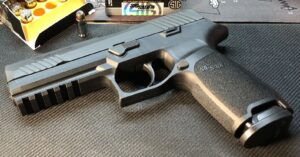
If Your Pistol Has a Safety How Does It Work? Explained for Beginners
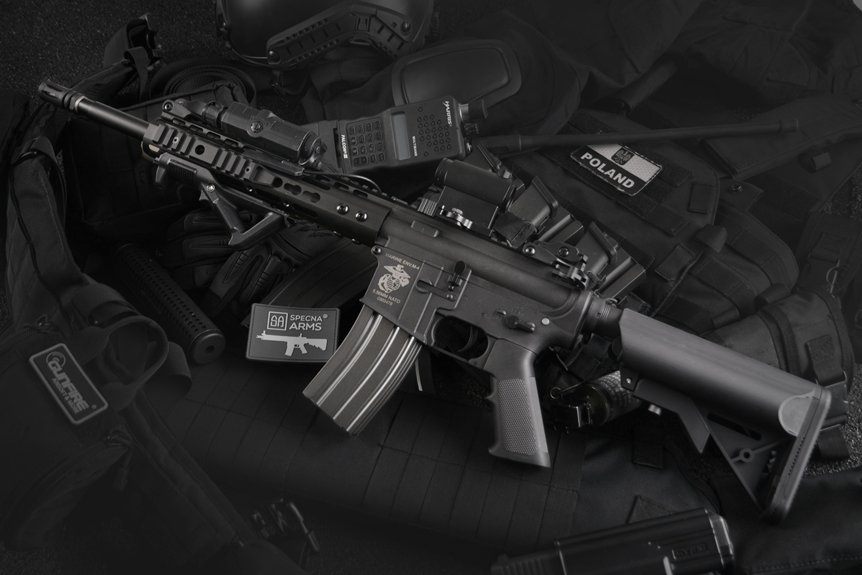
If your pistol has a safety, it’s vital to understand how it works to ensure safe handling. These mechanisms are designed to prevent accidental discharges, but they come in different types. From manual safeties that require a deliberate action to trigger safeties that activate only when pulled, knowing the specifics can make a difference. Curious about the various types and their functions? Let’s explore them further.
Understanding the Basics of Pistol Safeties
When you handle a pistol, understanding its safety mechanisms is crucial for preventing accidents and ensuring responsible use. Familiarizing yourself with how these safeties operate can significantly enhance your confidence and competence.
Generally, safeties act as barriers to prevent the gun from firing unintentionally. You’ll find that some pistols feature manual safeties, which require your deliberate action to engage or disengage. Others may include drop safeties, designed to prevent discharge if the pistol is dropped.
Additionally, some models incorporate grip safeties, which only allow the gun to fire when you maintain a proper hold. By learning about these mechanisms, you’ll not only improve your handling skills but also promote a safer environment for yourself and others around you.
Types of Pistol Safeties
Understanding the different types of pistol safeties helps you choose the right firearm for your needs and enhances your safety practices.
There are several common safety types: manual, drop, and grip safeties.
Manual safeties require you to engage or disengage a lever or button before firing. Drop safeties prevent accidental discharge if the gun is dropped. Grip safeties require you to hold the grip firmly to fire, ensuring the gun won’t accidentally go off if it’s not properly held.
Some pistols combine these safety features for added protection. Each type serves a unique purpose and offers its own level of security.
Familiarizing yourself with these options will help you make informed decisions when selecting your pistol.
Manual Safeties: How They Function
Manual safeties play a crucial role in ensuring firearm safety by requiring deliberate action from the user before the pistol can be fired. When you engage the manual safety, it typically blocks the sear, preventing the firing mechanism from operating.
You’ll usually find the safety lever located on the side of the frame or slide, and you’ll need to flip it to the “off” position to allow the gun to fire. This action serves as an additional layer of protection, especially when handling or holstering your pistol.
Trigger Safeties: Mechanisms and Purpose
While you may be familiar with the concept of manual safeties, trigger safeties offer a different layer of protection designed to prevent accidental discharges.
Trigger safeties are built directly into the trigger mechanism. They require the shooter to fully pull the trigger for the pistol to fire. This means that even if the trigger is accidentally bumped or jarred, the gun won’t discharge unless you intentionally apply pressure.
Typically, a trigger safety consists of a small lever or bar that blocks the trigger from moving unless it’s depressed. This design helps ensure that you maintain control of the firearm, reducing the risk of unintended firing.
Understanding how trigger safeties work can enhance your overall safety while handling a pistol.
Drop Safeties: Ensuring Safe Operation
Drop safeties play a crucial role in preventing accidental discharges when a firearm is dropped or subjected to sudden jolts.
These mechanisms ensure that the pistol won’t fire unless you deliberately pull the trigger. When the firearm experiences a drop, the drop safety blocks the firing pin or striker from moving forward, keeping it from striking the primer of a round in the chamber.
This feature adds an essential layer of security, especially if you carry your pistol in a holster or bag. Familiarizing yourself with how your pistol’s drop safety operates can give you peace of mind, knowing it’s designed to protect against unintentional discharges during everyday handling.
Always prioritize safety by understanding these features thoroughly.
Internal Safeties: What You Need to Know
Understanding the various safety mechanisms in a pistol goes beyond drop safeties. Internal safeties play a crucial role in preventing accidental discharges.
One common internal safety is the firing pin block, which prevents the firing pin from moving unless the trigger is fully pulled. This ensures that even if the pistol is dropped or jarred, it won’t fire unintentionally.
Another important internal safety is the trigger safety, which requires the trigger to be pressed in a specific manner for a round to fire.
Additionally, some pistols include disconnectors, which ensure the pistol won’t fire unless the trigger is released after each shot.
Familiarizing yourself with these internal safeties enhances your understanding and helps you handle your pistol responsibly and safely.
Best Practices for Using Pistol Safeties
When it comes to using pistol safeties, following a few essential best practices can significantly enhance your safety and control.
First, always engage the safety when you’re not actively using the pistol. This prevents accidental discharges during handling.
Second, familiarize yourself with the specific safety mechanism of your firearm; different models operate differently. Practice disengaging the safety smoothly and efficiently so it becomes second nature.
Third, keep your finger off the trigger until you’re ready to shoot, regardless of whether the safety is on.
Lastly, regularly inspect your safety mechanism to ensure it’s functioning properly.
Conclusion
Understanding how your pistol’s safety works is key to responsible handling. By familiarizing yourself with manual, trigger, drop, and internal safeties, you can significantly reduce the risk of accidental discharges. Always remember to engage the safety when not in use and check it before firing. Following best practices ensures not only your safety but also that of those around you. Stay informed, stay safe, and enjoy your shooting experience responsibly!
Tactical Equipment Armory

Tactical Gear Armory is a group of tactical gear geeks! We specialize in everything from martial arts to AR-15's and other firearms.