What Is an AR Pistol and Why It’s Not What You Think
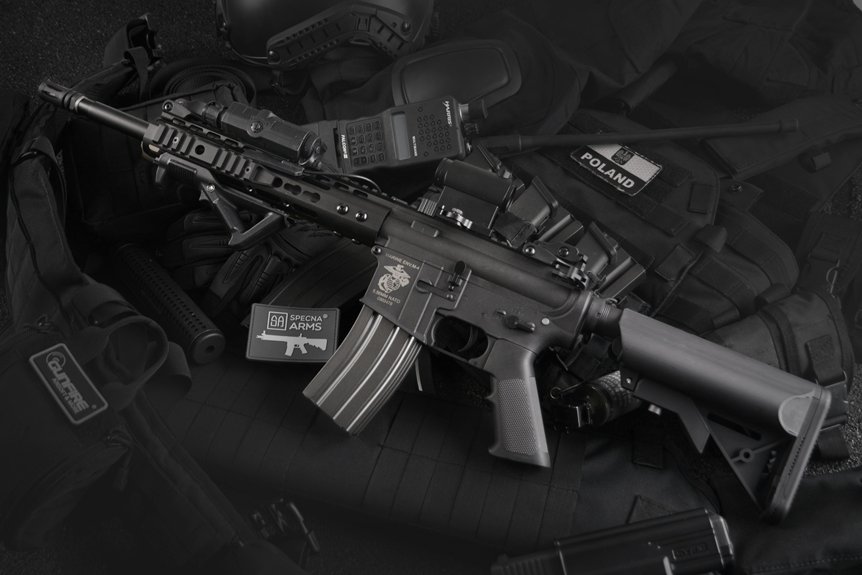
When you hear “AR pistol,” you might picture a typical handgun or a compact firearm, but it’s much more complex than that. These unique firearms combine elements of rifles and handguns, leading to various misconceptions about their purpose and usage. As you explore the differences, legal classifications, and design features, you’ll uncover insights that challenge your initial thoughts. What exactly sets AR pistols apart, and why does it matter?
Understanding the Basics of AR Pistols
When you dive into the world of firearms, understanding AR pistols is essential, especially since they blend the features of rifles and handguns.
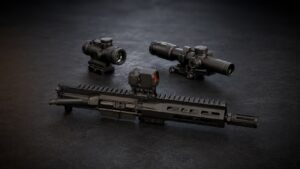
An AR pistol typically features a shorter barrel, making it more compact and easier to maneuver. It uses similar components as a standard AR-15 rifle, but the design focuses on portability and versatility.
You’ll notice that AR pistols often come with a stabilizing brace, allowing you to shoot more comfortably and accurately.
These firearms are classified differently due to their design, which impacts their legality and use. Knowing this, you can appreciate the unique role AR pistols play in personal defense and recreational shooting, making them a popular choice among firearm enthusiasts.
Key Differences Between AR Pistols and AR Rifles
While both AR pistols and AR rifles share similar components and design elements, they differ significantly in size, functionality, and purpose.
AR pistols are compact and lightweight, making them easy to maneuver in tight spaces. They typically have shorter barrels, which affects their range and accuracy compared to AR rifles.
AR rifles, with longer barrels, are designed for precision shooting and generally provide better performance at longer distances.
Moreover, AR pistols often come equipped with stabilizing braces, while AR rifles have traditional stocks. This difference in design impacts how you handle and shoot each type.
Understanding these distinctions helps you choose the right firearm for your needs and preferences.
Legal Classification of AR Pistols
Understanding the legal classification of AR pistols is crucial for responsible ownership and use. In the U.S., these firearms are categorized as pistols, but they come with specific regulations.
Unlike traditional handguns, AR pistols have a unique design that may confuse some owners. They typically feature a stabilizing brace instead of a traditional stock, which helps keep them within the legal definition of a pistol.
It’s essential to know that federal laws dictate these classifications, but state laws can vary significantly. Some states may impose additional restrictions or even ban AR pistols altogether.
Always check your local laws before purchasing or modifying an AR pistol to ensure you remain compliant and avoid legal issues. Staying informed helps you enjoy your firearm responsibly.
Design Features Unique to AR Pistols
AR pistols boast a distinctive design that sets them apart from traditional handguns and rifles. They feature a shorter barrel, typically under 16 inches, enabling a compact profile without sacrificing firepower.
The buffer tube, essential for the action, extends from the rear, allowing you to attach a stabilizing brace instead of a stock, which is a crucial difference. This design enables better maneuverability in tight spaces.
Additionally, the modularity of AR pistols means you can customize components like grips, handguards, and sights to suit your preferences.
The direct impingement or piston system used in their operation offers versatility and reliability.
With these unique features, AR pistols effectively bridge the gap between handguns and rifles, offering a distinct shooting experience.
Popular Uses for AR Pistols
People often turn to AR pistols for a variety of applications, thanks to their versatility and ease of use. Many firearm enthusiasts enjoy using them for target shooting, as their lightweight design allows for quick handling and accuracy.
Additionally, AR pistols are popular for home defense, providing a compact option with significant stopping power. You might also find them in competitive shooting sports, where their customization features let you tailor performance to your preferences.
Some people even choose AR pistols for recreational activities like plinking, enjoying the fun of shooting without the bulk of a traditional rifle.
Ultimately, the adaptable nature of AR pistols makes them suitable for various scenarios, appealing to a wide range of users.
Advantages and Disadvantages of Owning an AR Pistol
When considering an AR pistol, it’s important to weigh both the advantages and disadvantages of ownership.
One key advantage is versatility; AR pistols can excel in various situations, from home defense to recreational shooting. Their compact size makes them easier to handle and store, especially in tight spaces.
However, you also need to consider the potential downsides. Some people may view AR pistols negatively, which could lead to scrutiny or stigma. Additionally, they’re often more expensive than traditional handguns, and the learning curve can be steep for new shooters.
Choosing the Right AR Pistol for Your Needs
How do you know which AR pistol is right for you? Start by considering your primary purpose. Are you looking for home defense, competition, or recreational shooting?
Next, think about the caliber. Popular options include .223 Remington and 9mm, each offering different advantages.
Don’t forget about size and weight; a lighter pistol is easier to handle, especially for prolonged use.
Look into customization options too—rails, grips, and sights can enhance your shooting experience.
Also, budget plays a crucial role; set a realistic price range before you shop.
Finally, if possible, try out different models at a shooting range to see what feels comfortable.
With these factors in mind, you’ll be well-equipped to choose the right AR pistol for your needs.
Common Misconceptions About AR Pistols
Despite their growing popularity, many misconceptions surround AR pistols that can mislead potential buyers.
One common myth is that AR pistols are just short-barreled rifles in disguise, but they’re legally classified differently, which affects their use and regulations.
You might also hear that AR pistols are only for tactical enthusiasts, but their versatility makes them suitable for various applications, including home defense and recreational shooting.
Another misconception is that they’re less reliable than traditional pistols; in reality, they can be just as dependable when properly maintained.
Lastly, some believe AR pistols are inherently dangerous, but when used responsibly and stored securely, they’re no more hazardous than any other firearm.
Understanding these misconceptions can help you make informed decisions.
Conclusion
In conclusion, understanding AR pistols is crucial for anyone interested in firearms. These versatile tools blend the features of rifles and handguns, offering unique benefits for personal defense and recreation. By recognizing their design, legal classification, and common misconceptions, you can make informed decisions about ownership and usage. Whether you’re customizing one for your needs or just curious, knowing the facts will help you appreciate what an AR pistol truly offers.
Tactical Equipment Armory

Tactical Gear Armory is a group of tactical gear geeks! We specialize in everything from martial arts to AR-15's and other firearms.