How Are Pistol Bores Different From Shotgun Bores?

When you compare pistol bores to shotgun bores, you’ll notice clear distinctions in their design and functionality. Pistol bores are narrower and rifled, while shotgun bores are wider and smooth. This fundamental difference shapes how each firearm performs and the type of ammunition it uses. Understanding these variations can enhance your appreciation for each weapon’s unique capabilities and applications. But what exactly do these differences mean for accuracy and effectiveness in real-world scenarios?
Understanding Bore Diameter
When it comes to firearms, the term “bore diameter” refers to the internal diameter of the barrel, and it plays a crucial role in determining the performance of pistols and shotguns.
For pistols, a smaller bore diameter usually translates to greater accuracy and precision, allowing tighter groupings in target shooting.
Conversely, shotguns often feature a larger bore diameter, which enables them to fire multiple pellets simultaneously. This design is beneficial for spreading shot over a wider area, making it effective for hunting and shooting moving targets.
Understanding these differences helps you appreciate how bore diameter influences not just the type of ammunition you can use, but also the overall effectiveness and intended application of each firearm.
Design and Construction Differences
While both pistols and shotguns serve the fundamental purpose of firing projectiles, their design and construction differ significantly to accommodate their specific functions.
Pistol bores are typically narrower and rifled, which improves accuracy and stabilizes the bullet during flight. This rifling consists of grooves that impart a spin to the projectile, enhancing its trajectory.
In contrast, shotgun bores are smooth and wider, designed to disperse shot or allow for larger projectiles like slugs.
The construction materials also vary; pistols often use high-strength alloys for durability, while shotguns may incorporate lighter materials to reduce recoil.
These differences ensure that each firearm type performs optimally, catering to their unique roles in shooting sports and self-defense scenarios.
Types of Ammunition Used
Ammunition types vary significantly between pistols and shotguns, reflecting their distinct purposes and functionalities.
Pistols generally use cartridges that contain a single projectile, such as 9mm or .45 ACP. These cartridges are designed for accuracy and quick follow-up shots, making them ideal for self-defense or competitive shooting.
On the other hand, shotguns fire shells that typically contain multiple pellets, like birdshot or buckshot, allowing for a wider spread. This makes shotguns particularly effective for hunting and home defense, where hitting a moving target is crucial.
Additionally, some shotguns can fire slugs, offering a single, solid projectile for increased range and impact. Understanding these differences helps you choose the right firearm for your needs.
Accuracy and Precision in Shooting
Accuracy and precision are crucial when it comes to effective shooting, as they directly influence your ability to hit a target consistently.
When you’re using a pistol, the narrow bore and rifled barrel help stabilize the bullet’s flight, improving accuracy over longer distances. Conversely, shotguns have smooth bores, which spread shot over a wider area. This makes them effective at close range but less precise for hitting specific targets.
Understanding these differences is vital for choosing the right firearm for your needs. You’ll want to practice regularly to enhance your skills, whether you’re shooting a pistol or a shotgun.
Recoil and Muzzle Velocity
Understanding how recoil and muzzle velocity affect your shooting experience is just as important as mastering accuracy and precision.
Recoil, the backward movement of your firearm after firing, varies significantly between pistols and shotguns. Pistols generally produce less recoil due to their lighter loads, making follow-up shots quicker and easier. In contrast, shotguns, especially with heavier shells, generate more recoil, which can impact your aim and control.
Muzzle velocity refers to the speed at which a projectile exits the barrel. Pistols usually achieve higher velocities with their lighter projectiles, enhancing accuracy and terminal performance.
Shotguns, while having lower muzzle velocities, excel in delivering multiple projectiles simultaneously. Understanding these dynamics helps you choose the right firearm for your needs and enhances your overall shooting experience.
Intended Use and Applications
When considering intended use and applications, it’s crucial to match your firearm to the specific scenario you’ll encounter.
Pistols excel in self-defense and concealed carry situations, offering accuracy and maneuverability in tight spaces. You’ll appreciate their ease of use for personal protection or competitive shooting.
On the other hand, shotguns are designed for hunting and home defense, delivering a wider spread of shot that’s effective at close ranges. If you’re pursuing game birds or defending your home, a shotgun’s power and versatility make it a solid choice.
Ultimately, understanding the intended use of your firearm will help you make informed decisions, ensuring you select the right bore for your specific needs and situations.
Maintenance and Cleaning Considerations
While you might think that maintaining a pistol and a shotgun is similar, the cleaning processes can vary significantly due to the design and function of each firearm.
Pistol bores, being tighter and smaller, require careful attention to avoid damage. You’ll want to use a rod and brush specifically designed for pistols, ensuring you don’t scratch the bore.
In contrast, shotguns have wider bores, allowing for more flexibility in cleaning tools. You’ll often use a mop or a larger brush to tackle the residue left from shot shells.
Remember to regularly inspect both firearms for wear and tear, and always follow manufacturer guidelines for cleaning frequency and products.
Proper maintenance ensures your firearms perform reliably and safely.
Legal Regulations and Restrictions
Proper maintenance is only part of responsible firearm ownership. You’ve got to navigate legal regulations and restrictions that vary by state and locality.
First, familiarize yourself with the laws regarding pistol and shotgun ownership, as they can differ significantly. Some places require permits or background checks, while others may have age restrictions.
Additionally, regulations may dictate how you store firearms, especially if you have children in the home. Remember, certain types of ammunition might also be restricted in specific areas.
Always stay updated with local laws, as they can change frequently. Ignoring these regulations can lead to serious consequences, including fines or even criminal charges.
Being informed helps ensure your safety and compliance as a responsible gun owner.
Popular Models and Their Characteristics
Several popular models of pistols and shotguns stand out due to their unique characteristics and performance.
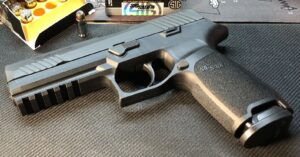
For pistols, the Glock 19 is a favorite for its reliability and compact design, perfect for concealed carry. The Sig Sauer P320 offers modularity, allowing you to customize grip sizes and calibers.
On the shotgun side, the Remington 870 is renowned for its versatility and rugged build, making it a go-to for both home defense and hunting.
The Mossberg 500 is another top contender, known for its ease of use and aftermarket support.
Each model serves different needs, whether you’re looking for accuracy, power, or adaptability. Choosing the right firearm depends on your specific requirements and preferences.
Conclusion
In summary, understanding the differences between pistol and shotgun bores helps you choose the right firearm for your needs. Pistol bores offer precision with rifled designs, while shotgun bores provide versatility with smooth barrels for shot dispersion. Each has its unique ammunition and intended use, impacting accuracy, recoil, and maintenance. By knowing these distinctions, you can make informed decisions whether you’re target shooting or hunting. Always consider the legal regulations and popular models to find the best fit for you.
Tactical Equipment Armory

Tactical Gear Armory is a group of tactical gear geeks! We specialize in everything from martial arts to AR-15's and other firearms.